

The TikTok trend that has people slathering Vaseline on their face overnight actually works and here is why your dermatologist is not mad about it.
As an Amazon Associate I earn from qualifying purchases. Read full disclosure here
If you’re a skincare enthusiast or simply a TikTok user, you’ve probably heard of the term “skin slugging.” This viral beauty hack has taken social media by storm, with users raving about its ability to lock in moisture and leave the skin looking dewy and hydrated. But what exactly is skin slugging, and does it really work?
If you are looking for a quick hack for dry skin, the solution could be lying in your bathroom cabinet. Slugging is the latest TikTok trend that beauty influencers swear by to up your skincare game. Don’t worry, it does not involve putting slugs on your face (although, snail slime has powerful skin regenerative properties).
The latest trend on TikTok now is to slather your face with petroleum jelly before bedtime. It is popular in the K-Beauty world but now making waves on TikTok and Instagram, Aside from slugging your skin, you can also slug your hair. The petroleum jelly will create a thick slime on your skin and hair to lock in moisture and keep your skin hydrated
What Is Skin Slugging?
Skin slugging is a skincare technique that involves applying a thick layer of an occlusive product, typically petroleum jelly (like Vaseline), over your nighttime skincare products. The term “slugging” comes from the idea that your face will resemble the slimy trail left by a slug due to the shiny, greasy layer of the occlusive product.
Occlusive products are great for skin hydration because they form a barrier on the skin while you sleep. This helps to repair the skin barrier while you sleep by restoring the skin lipids. This barrier helps to keep all the active ingredients in your skincare routine working effectively overnight and can leave your skin feeling incredibly soft and hydrated by morning. This is great if you have dry skin during the cold season or in an air-conditioned environment.
When there is a loss of water in the environment, applying occlusive agents helps restore water loss from the skin by placing an oily film on the skin’s surface. The best agent seen so far is Vaseline, although there are many others that get the job done if you don’t like Vaseline.

How Does Skin Slugging Work?
The key to skin slugging lies in the use of an occlusive agent. Occlusives are ingredients that form a protective layer on the skin’s surface, trapping moisture and preventing transepidermal water loss (TEWL). This is particularly beneficial for those with dry or dehydrated skin, as it helps to maintain the skin’s hydration levels.
Petroleum jelly is the most commonly used occlusive in skin slugging because it is highly effective at sealing in moisture. However, other occlusives like lanolin, shea butter, or even certain oils can also be used depending on your skin type and preferences.
What Is Slugging Skin Good For? Benefits
1. Prevents Dryness And Hydrates Your Skin
Skin slugging is a game-changer for anyone struggling with dry or dehydrated skin. Applying vaseline on the skin to prevent dryness is nothing new but it is given a new name called slugging. There are microscopic pores on your skin through which sweat and moisture come out. Applying occlusives on your skin prevents the moisture from escaping giving you a well-hydrated and smooth finish in the morning.
2. Enhance Product Absorption
Applying an occlusive like vaseline over your skincare products can enhance their effectiveness by ensuring they stay on your skin longer, allowing them to penetrate more deeply.
3. Keeps Your Skin Soft
Slugging is an additional layer of your nighttime skincare routine. After you have applied serums, moisturizers and eye creams, you then maximize the benefits by adding occlusives to prevent evaporation. You will notice that your skin is extra soft and feels good in the morning. Regular slugging can lead to softer, smoother skin by maintaining hydration levels and preventing dryness.
4. Great For Dry Skin Type
If you have dry skin, then slugging might be your best bet to lock in moisture for your skin. Although Vaseline is non-comedogenic (won’t clog pores), it is not recommended for those with oily or sensitive skin types. It can irritate your skin thereby breaking you out.
Who Should Try Skin Slugging?
Skin slugging is particularly beneficial for those with dry, dehydrated, or sensitive skin. It can also be helpful for people living in dry or cold climates where moisture loss is a concern. However, if you have oily or acne-prone skin, slugging might not be the best option for you, as the heavy occlusive layer can potentially clog pores and lead to breakouts.
Best Skin Slugging Products
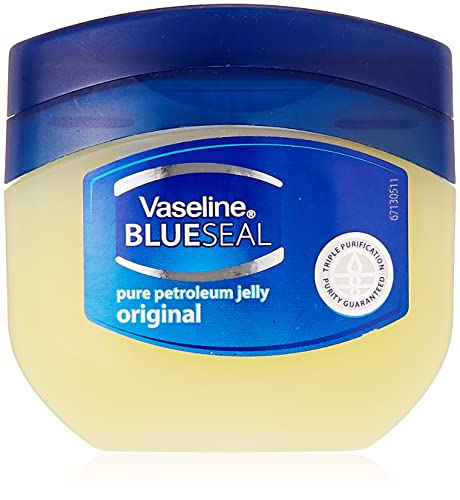
This is the number one skin-slugging product. It is highly effective in preventing dryness among other occlusive. It is non-irritating and non-comedogenic. However, some find it hard to use due to its thick waxy feeling.

Great product. Contains 41% petroleum jelly which can be used not just for your body but for lips, hands, heels and minor wounds. It is not as sticky and greasy as Vaseline, great for slugging and keeping skin soft and hydrated.

This is another great product for skin slugging. It is fragrance and lanolin-free. Contains ceramides to repair and protect dry, cracked skin.

This is another great product for skin slugging. It does not only contain petrolatum but also shea butter to soften, smooth and hydrate and Vitamin E to improve skin resilience.
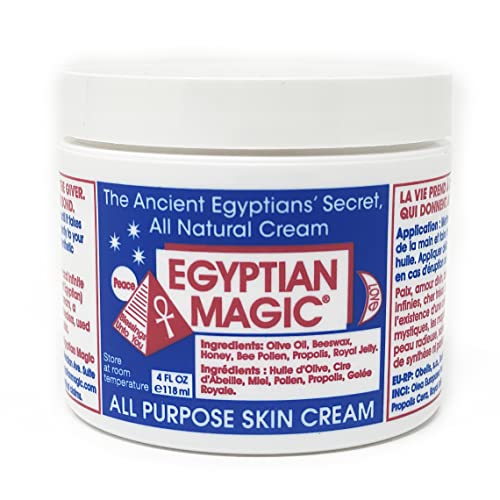
This is an all-purpose cream guaranteed to keep your skin soft and blemish-free. It contains royal jelly, beeswax, honey, olive oil, and bee pollen making it great for skin slugging. A little of this product goes a long way
How To Skin Slug Properly
Step 1: Remove make-up
Make sure you remove all makeup traces like mascara, lipsticks, and eyeliner. You may also double cleanse if you having trouble removing makeup
Step 2: Wash Your Face
Start with a gentle cleanser to remove any dirt, oil, or makeup from your face.
Step 3: Apply Skincare Products
Follow your usual nighttime skincare routine. This might include serums, moisturizers, or treatments that address your skin concerns.
Step 4: Apply Occlusives
After applying your skincare products, take a small amount of your chosen occlusive (like petroleum jelly) and gently spread it over your face. Make sure to cover all areas but don’t overdo it—a thin layer is sufficient. Let the slugging do its magic overnight. In the morning, cleanse your face as usual to remove any residue.
When To Avoid Slugging
You should avoid applying active ingredients like vitamin C, AHA, and Retinol when skin slugging. This may trap the active ingredients in your skin eventually leading to skin irritation and potentially damaged skin barrier. Also, avoid skin slugging in hot, summer or humid weather because it is just not necessary. There is less moisture evaporation during those times so it might do you no good.
How Often Should You Slug
If you have dry skin, it is recommended to slug once or twice weekly depending on your skin condition. If you have extremely dry skin, you may add more days but always give a break in between. Slugging is not a long-term fix, it is a temporary fix to help repair the skin barrier.
Does Skin Slugging Really Work?
The results of skin slugging can vary depending on your skin type and the products you use, but many people report waking up with significantly more hydrated, softer skin. However, as with any skincare trend, it’s essential to listen to your skin. If you notice any irritation or breakouts, it might not be the right technique for you.
Final Thoughts
Skin slugging can be a highly effective way to boost hydration and protect your skin, especially during the colder months. While it may not be suitable for everyone, those with dry or sensitive skin may find it a valuable addition to their nighttime routine. As always, patch-test any new products and start slowly to see how your skin responds.
If you’re curious about skin slugging, it might just be worth a try to see if this viral TikTok trend can give your skin the moisture boost it needs!
Amazon and the Amazon logo are trademarks of Amazon.com, Inc, or its affiliates.