
Rosacea causes, triggers, and the one skincare routine that actually works for sensitive skin.
As an Amazon Associate I earn from qualifying purchases. Read full disclosure here
Dealing with rosacea is no easy task. While it’s not life-threatening, it’s a medical condition that requires careful management due to its impact on your skin’s appearance and comfort.
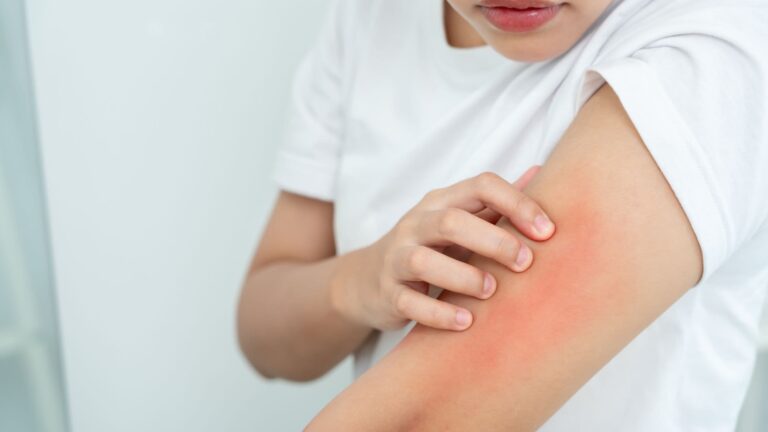
Rosacea can cause dry, highly sensitive skin, making it prone to irritation from everyday skincare products. It’s often misdiagnosed as acne due to its symptoms, which include flushing, redness, pimples, and inflammation. Other symptoms might include burning, stinging, thickened skin, uneven skin tone, and red or watery eyes.
These symptoms typically appear on the face—specifically the cheeks, nose, forehead, and chin—but can also affect areas prone to sun exposure, like the neck, ears, scalp, and upper back. Before going into details on the skincare routine that’s best suited for rosacea, let’s explore the causes and triggers of this condition. In this post, you will learn about rosacea causes, triggers and skincare routine

What Causes Rosacea?
The exact cause of rosacea remains unknown, but several factors are believed to contribute:
- Demodex Mites: An increased infestation of Demodex folliculorum mites, which live on the skin is responsible for dryness and inflammation in rosacea by provoking inflammatory or allergic reactions, leading to rosacea symptoms.
- Bacterial Infections: Helicobacter pylori bacteria, known for causing stomach ulcers, have been linked to rosacea. Treating these infections might reduce the severity of the condition.
- Fungal Infections: The presence of Malassezia furfur, a fungus commonly found on the skin, could also play a role in rosacea.
- Genetics and Immune System: Genetics, abnormal immune responses, and blood vessel irregularities are other potential contributors.
- Environmental Factors: UV exposure, stress, and diet can trigger or exacerbate rosacea symptoms.
Unlike acne, the presence of bacteria in the hair follicles does not seem to affect rosacea
Can Black People Get Rosacea?
Yes, Black people can get rosacea, though it’s often misdiagnosed as acne due to differences in skin presentation. On darker skin, rosacea typically appears as persistent redness and inflammation around the forehead, nose, cheeks, and chin, sometimes accompanied by pus-filled bumps. Visible blood vessels, known as telangiectasia, may also be present.
If you’ve been treating what you think is acne without success, it’s worth considering whether you might have rosacea, especially if you notice persistent redness and breakouts that don’t respond to typical acne treatments.
What Triggers Rosacea?
Identifying your personal rosacea triggers is crucial for managing symptoms. Common triggers include:
- Emotional Stress: Stress, anxiety, and depression can lead to flare-ups. Practices like yoga, meditation, and journaling can help manage stress levels. I use this app on my Ipad called Insight Timer to meditate and manage my stress level. It is a free app available on both Apple and Android devices.
- Dietary Factors: Certain foods and drinks—like yogurt, spicy foods, hot beverages, chocolate, and alcohol—can trigger rosacea.
- Temperature Extremes: Hot baths, saunas, heated environments, and sudden temperature changes can aggravate symptoms.
- Skincare Products: Harsh skincare ingredients can worsen rosacea. Avoid waterproof makeup, alcohol-based toners, and products containing glycolic acid, retinol, or sodium lauryl sulfate.
You may also be interested in:
The Best Skincare Routine for Rosacea
For those with rosacea, a simple, gentle skincare routine is key. Here’s a step-by-step guide:
Azelaic acid is also an effective treatment for rosacea, read about how Azelaic acid work for rosacea
Cleanser
When choosing a cleanser, look for a cleanser that is close to the skin’s PH. The skin’s natural PH is between 4-6.5. Therefore, having a cleanser that tends towards neutral or slightly acidic is vital for rosacea. A good cleanser should remove any form of dirt, harmful bacteria, and environmental toxins without changing the skin’s natural moisturizing factor. For that reason, I recommend using Syndet bars to normal bar soaps. Syndet bars are formulated to be neutral and slightly acidic and they don’t dry out the skin.
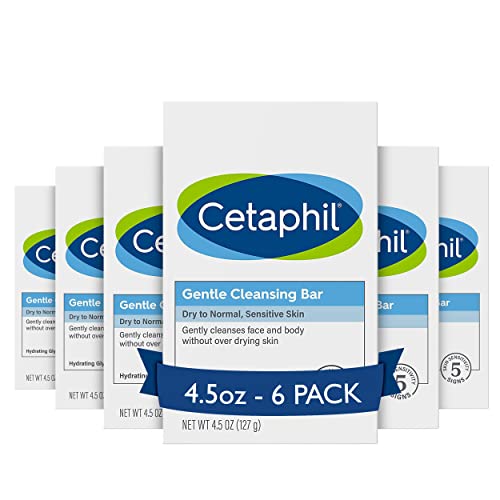

Cleanser – make-up remover
Using cleansing creams or milk is gentler and mild for the Rosacea skin type. These types of cleansers leave a thin film of moisturizer on the skin that hydrates the skin well. Using one that is slightly acidic or neutral helps people with rosacea retain moisture and prevents water loss from the skin.
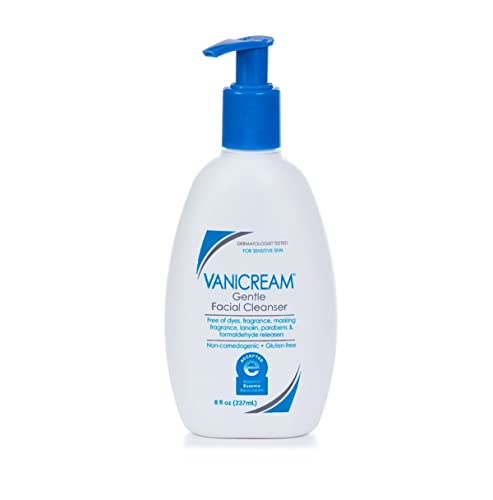
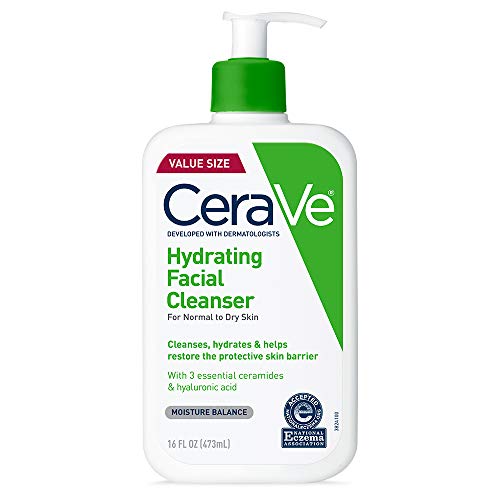

Moisturizer
After cleansing, the next step to take is to hydrate. This helps to restore the skin moisture content, softens the skin, and reduces water loss from the skin. You would want to select a moisturizer that does not contain any harsh ingredients mentioned earlier. Look for one that prevents evaporation of water, increases skin hydration, and soothes the skin.


Sunscreen
Considering that UV light triggers Rosacea, It is important to use a sunscreen with SPF of 50 and above to prevent damage to the dermal layer. You should also look for a broad-spectrum SPF that protects against both UVA and UVB light. Another criterion for picking a sunscreen is that it should be a physical sunscreen; meaning it should contain titanium dioxide and zinc oxide. Although physical sunscreens leave a white cast, they are still more tolerated than chemical sunscreens.
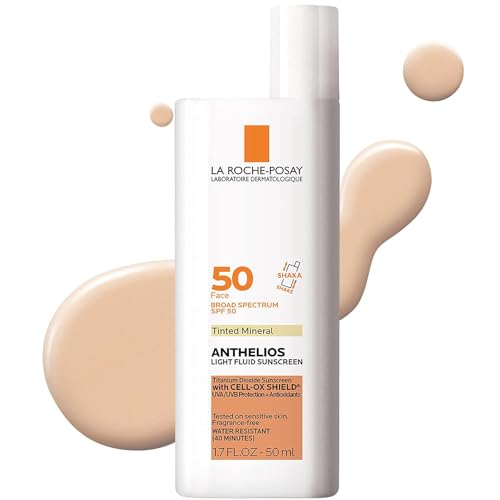


Top 10 Skincare Tips For Rosacea
1. Use lukewarm water when washing your face; avoid drastic temperature changes.
2. Apply cleansers gently, using your fingers or cotton pads in circular motions.
3. Avoid applying undiluted essential oils directly to your skin.
4. Discontinue any oral medications that cause side effects like dizziness or headaches and consult your dermatologist.
5. Avoid skincare ingredients that irritate, such as alcohol, sulfates, and fragrance.
6. Stay hydrated by drinking plenty of water to prevent flare-ups.
7. Incorporate anti-inflammatory foods into your diet, like ginger, turmeric, omega-3-rich foods, and olive oil.
8. Apply sunscreen daily, and reapply every two hours when exposed to intense sunlight.
9. Layer your products correctly: cleanser, moisturizer, and then sunscreen.
10. Always remove makeup before bed to prevent irritation.
Conclusion
While rosacea cannot be cured, its symptoms can be effectively managed with the right skincare routine and lifestyle adjustments. Understanding your triggers and choosing products that soothe and protect your skin will help you feel more confident in your skin.
If you found this post helpful, please share it, leave a comment, and subscribe for more skincare tips and advice!
Image by Sharon McCutcheon from Pixabay
Amazon and the Amazon logo are trademarks of Amazon.com, Inc, or its affiliates.